


3 Levels of Preventing Prediabetes from Becoming Diabetes
Prediabetes doesn’t arrive quietly and then diabetes arrives suddenly, that’s the story on paper, but not the story in your body. By the time a standard blood panel flags you as prediabetic, insulin resistance has usually been building for years. The number that finally moves is often the last domino to fall, not the first one to tip. The good news: the earlier you catch it, the easier it is to reverse.
Good: The Annual A1c Check
Getting your A1c checked once a year is good — it’s the standard of care, and it will eventually catch the problem. But A1c measures your average blood sugar over roughly three months, which means it’s a lagging indicator. It tells you where you’ve already been, not where you’re headed. Plenty of people walk around with a “normal” A1c for years while their insulin is quietly climbing behind the scenes, compensating harder and harder to keep glucose in range until one day it can’t anymore, and the number finally moves. By then, the resistance is well established.
That doesn’t mean the A1c test isn’t valuable. It’s an excellent tool for tracking long-term progress once you know where you stand, and it’s widely available through routine physicals. But relying on it alone can create a false sense of security. If everything looks “normal,” it’s easy to assume your metabolism is healthy when, in reality, your body may already be working much harder than it should to maintain those numbers.
Better: Structured Weight Loss and Daily Movement
This is where actual prevention data exists, and it’s stronger than most people realize. The landmark Diabetes Prevention Program trial put people at high risk of diabetes through a structured lifestyle program, modest weight loss (5 to 7% of body weight) plus roughly 150 minutes of walking a week and compared them to a group given metformin and a group given nothing. The lifestyle group cut their progression to full diabetes dramatically more than either the drug or the placebo. Not a supplement, not a prescription, walking daily and losing roughly ten to fifteen pounds for an average adult. It remains one of the most effective interventions ever studied for this exact window.
What makes these results so encouraging is that the changes weren’t extreme. Participants weren’t training for marathons or following crash diets. They simply became more consistent with movement and made sustainable improvements to their eating habits. Even small reductions in body fat, especially around the abdomen, can improve how sensitive your cells are to insulin. Daily activity also helps muscles absorb glucose more efficiently, reducing the amount of insulin your body needs to produce after meals.
Sleep and stress management also deserve a place in this conversation. Poor sleep and chronic stress both make it harder for the body to regulate blood sugar, even if your diet is relatively healthy. Lifestyle isn’t just about food and exercise, it’s about creating an environment where your metabolism can function the way it’s designed to.
Best: Testing for Insulin Resistance Before A1c Ever Moves
Here’s the level almost nobody gets to, because almost nobody’s doctor orders it: a fasting insulin test. Two people can have an identical, perfectly “normal” fasting glucose and one of them is producing three times the insulin to get there. That person’s pancreas is working overtime, quietly, for years, before glucose or A1c shows a single sign of trouble. Fasting insulin (combined with fasting glucose to calculate what’s called HOMA-IR) catches that compensation while it’s still happening, not after it’s failed.
Pair that with a look at how your body actually responds to food — a simple post-meal glucose check an hour or two after eating tells you far more than a fasting number ever will, because fasting glucose can look pristine right up until the system starts to break. This is the same logic Dr. Saunders applies elsewhere in this issue with the Omega-3 Index: stop guessing, measure the actual number, and dose your intervention — diet, walking, sleep, weight loss — to that number instead of to a generic recommendation.
Some people also choose to wear a continuous glucose monitor (CGM) for a short period, even if they haven’t been diagnosed with diabetes. Watching how different meals, exercise, stress, and sleep affect blood sugar in real time can reveal patterns that a once-a-year lab test never could. While it isn’t necessary for everyone, it highlights an important principle: the more feedback you have, the easier it becomes to make targeted changes before lasting damage occurs.
The people who catch insulin resistance at this level aren’t managing diabetes. They’re preventing it from ever needing a name. That’s ultimately the goal, not simply treating elevated blood sugar after it appears, but recognizing the earliest signs that the system is under strain and responding while there’s still plenty of opportunity to turn things around. Prevention is almost always easier than treatment, and in the case of insulin resistance, timing may be the most powerful tool you have.




Featured Sponsor






Latest Home Cures That Work Issue
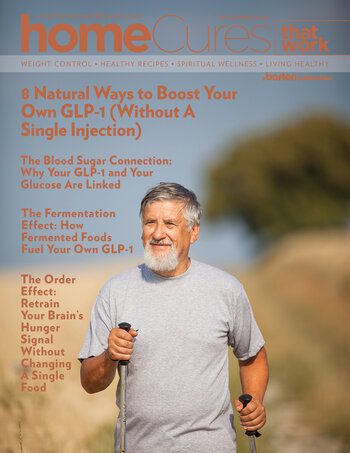
If you are a member of Home Cures That Work, click on the image above to download your monthly issue in PDF format.