

2026 Dietary Guidelines: Why Real, Whole Food Quality Matters
America’s New Dietary Guidelines Mark a Turning Point in Nutrition
On January 7, 2026, the U.S. Department of Agriculture (USDA) released updated Dietary Guidelines that represent one of the most significant changes in federal nutrition advice in decades. After years of guidance that emphasized calories, fat reduction, and heavily processed foods, the new recommendations send a clearer, more practical message:
Eat real, nutrient-dense food.
This shift brings federal guidance closer to what nutrition science—and common sense—has supported for years: whole foods matter more than food labels, marketing claims, or macronutrient buzzwords.
Why the 2026 Dietary Guidelines Matter for American Health
The urgency behind these changes is clear. According to data cited by the USDA:
- Over 70% of U.S. adults are overweight or obese
- Nearly 1 in 3 adolescents has prediabetes
- Diet-driven chronic disease is straining healthcare systems and limiting quality of life
Ultra-processed foods—high in added sugars, refined carbohydrates, industrial oils, and artificial additives—are now a dominant part of the American diet. These foods are strongly linked to obesity, diabetes, cardiovascular disease, and metabolic dysfunction.
The new guidelines acknowledge this reality and emphasize whole, minimally processed foods as the foundation of good health.
A Positive Shift on Protein — With a Critical Caveat
One of the most encouraging updates in the 2026 Dietary Guidelines is a stronger emphasis on protein intake, particularly for maintaining muscle mass, metabolic health, and healthy aging.
Protein from whole foods helps:
- Support stable blood sugar
- Improve satiety and appetite control
- Preserve muscle and strength
- Promote metabolic resilience
However, there is an important warning that isn’t always communicated clearly.
Not All “High-Protein” Foods Are Healthy
As with past nutrition trends, food manufacturers are already exploiting the protein message by adding isolated protein to ultra-processed foods and marketing them as healthy choices.
These products often still contain:
- Added sugars
- Refined starches
- Industrial seed oils
- Chemical additives
A “high-protein” label does not undo poor ingredients. Protein enhances health only when it comes from real, whole foods.

The Barton Healthy Food Plate Was Years Ahead of Its Time
More than 13 years ago, Barton Nutrition developed the Barton Healthy Food Plate to reflect emerging nutrition science—long before the government revised its stance.
While older federal food pyramids emphasized grains and restricted fats and animal proteins, the Barton Plate focused on:
- A large foundation of vegetables
- Adequate high-quality protein and healthy fats
- Modest portions of whole, unrefined carbohydrates
- Minimal reliance on sugar and ultra-processed foods
Today, the 2026 Dietary Guidelines closely mirror this approach—effectively validating the Barton Plate’s original design and its recent update.
The core principle is simple:
Food quality matters more than food quantity.
Why Federal Dietary Guidelines Shape Everyday Food Choices
These guidelines influence far more than personal nutrition decisions. They shape:
- School lunch programs
- Military and veteran food systems
- Hospital and institutional meals
- SNAP and other federal nutrition programs
When guidelines favor processed foods, chronic disease rises. When they prioritize whole foods, the potential exists to improve health outcomes while reducing long-term healthcare costs.
This makes the 2026 update an important step forward—even if it arrives later than many hoped.
The Bottom Line: Real Food Wins
The 2026 Dietary Guidelines finally align with what nutrition science has been showing for years: ultra-processed food is a major driver of poor health, and real food supports long-term wellness.
Protein matters. Fats matter. Carbohydrates matter.
But the quality of those foods matters most of all.
The Barton Healthy Food Plate anticipated this shift over a decade ago—and today, it stands as a practical, science-aligned model for how to eat in a way that supports metabolic health, brain health, and overall longevity.




Featured Sponsor





Latest Home Cures That Work Issue
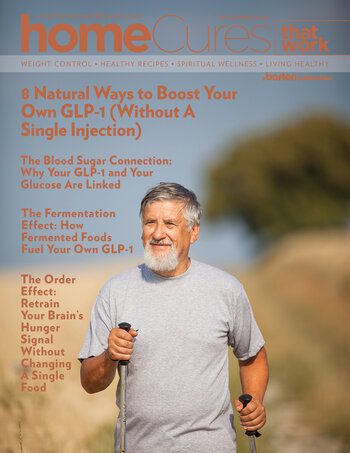
If you are a member of Home Cures That Work, click on the image above to download your monthly issue in PDF format.