

5 Best Natural Supplements for Stress Relief
The Nutrients Your Body Burns Through When Stress Won’t Let Up.
Chronic stress doesn’t just make you feel frazzled — it quietly reshapes your body’s chemistry, depleting critical nutrients and creating deficiencies that make everything worse.
Nearly half of American adults report significant daily stress, according to the American Psychological Association. And while coping strategies like exercise and meditation are excellent, we rarely think about what stress is doing at the nutritional level. Cortisol — the primary stress hormone — burns through certain nutrients faster than your diet can replace them, leading to cravings that won’t quit, sleep that doesn’t restore, and that persistent “wired and tired” feeling.
Targeted nutritional support can help break this cycle. Here are five nutrients your stressed body needs most.
1. Magnesium — The Stress Mineral You’re Almost Certainly Missing
If you could take only one supplement during a stressful season of life, many integrative practitioners would say magnesium. It’s involved in over 400 enzymatic reactions — from muscle relaxation and blood sugar regulation to nerve function and sleep. A 2025 review in Nutrients called it a critical cofactor for energy metabolism, cardiovascular health, and psychological well-being.
Yet up to half of American adults don’t get enough. Worse, stress itself depletes magnesium through the kidneys, creating what researchers describe as a vicious circle: low magnesium increases stress susceptibility, which burns through even more magnesium. Clinical trials show that supplementing for just four weeks can measurably reduce cortisol levels and ease symptoms like fatigue and irritability.
Why How You Take Magnesium Matters
Oral magnesium can be hard on digestion — magnesium salts are natural laxatives, and if they move through your gut too quickly, absorption suffers. For people whose digestion is already compromised by stress, this is a frustrating catch-22.
That’s why transdermal magnesium spray has gained attention. Applied through the skin, it bypasses the digestive tract entirely. Research from the University of Cardiff showed that skin absorption begins immediately, and a Mayo Clinic study found that fibromyalgia patients using topical magnesium spray for four weeks experienced significant symptom improvement across the board.
For stress support, look for a transdermal magnesium spray sourced from mineral-rich natural waters, formulated without oily residues or synthetic additives — just a few sprays before bed can support deeper sleep and lower cortisol without any digestive side effects.
2. Protein — The Stress Buffer for Blood Sugar and Muscle
Chronic stress is catabolic — it breaks down lean muscle tissue for energy. Over time, this disrupts your metabolic rate and makes weight management harder. Protein also stabilizes blood sugar, which is critical when cortisol is triggering glucose spikes and the inevitable crashes that drive sugar cravings.
Aim for protein at every meal and consider a clean protein powder to fill gaps on busy days. Skip formulas with artificial sweeteners or excessive fillers — your stressed body doesn’t need more things to process.
3. Antioxidant-Rich Greens — Cellular Defense Against Stress Damage
Elevated cortisol increases free radical production, causing oxidative stress that accelerates aging and inflammation at the cellular level. Your best defense? Antioxidant-rich plants like spirulina, green tea, broccoli, and berries.
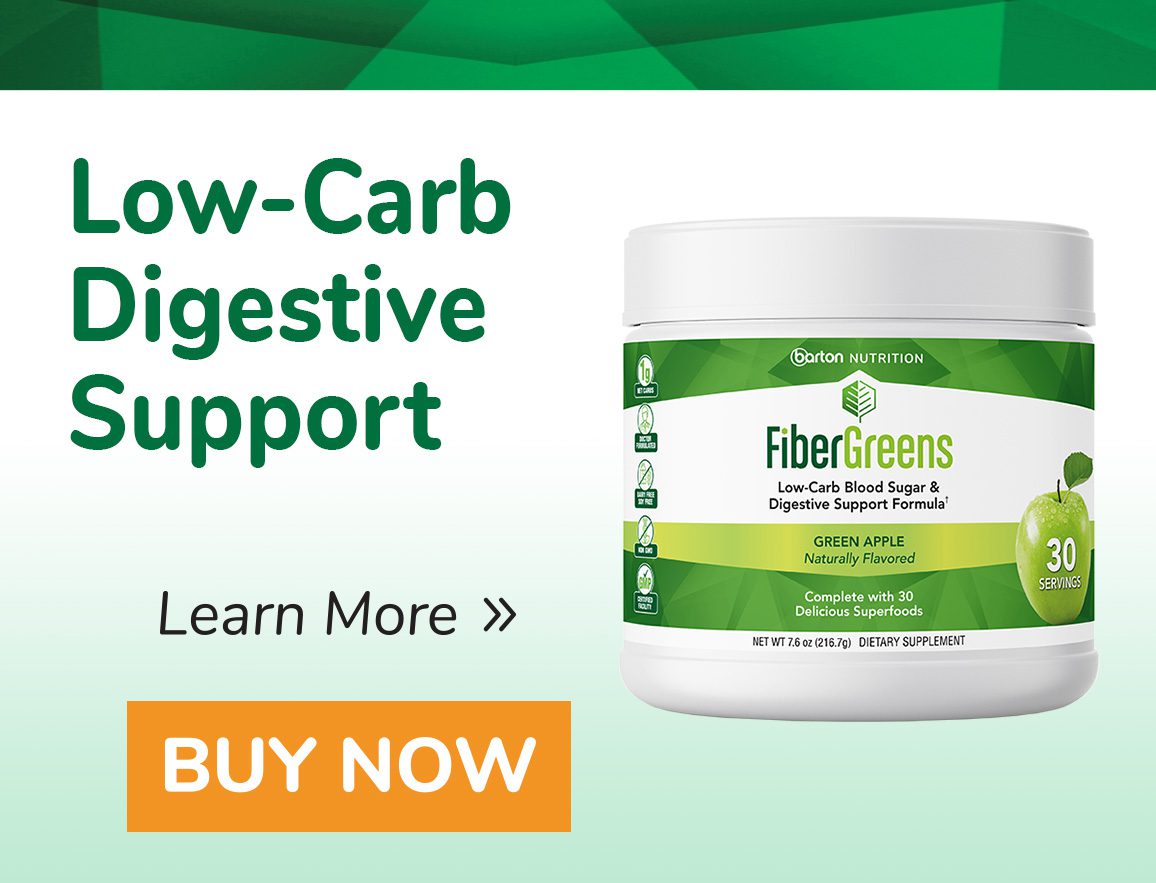
The problem is that stress sabotages your diet — when you’re overwhelmed, balanced meals are the first thing to go. A daily greens powder can close that gap, combining dozens of superfood greens with prebiotic fiber for gut support and digestive enzymes for better absorption. Look for doctor-formulated blends with whole-food ingredients like psyllium husk, Jerusalem artichoke, pomegranate, and green tea extract. Bonus points if it tastes good enough to drink every day.
4. B Vitamins — Mood and Energy Support for Your Nervous System
B vitamins are essential for producing serotonin, dopamine, and GABA — the neurotransmitters that regulate mood, motivation, and calm. Stress burns through them fast, leaving you foggy and emotionally flat.
B6 is especially critical for serotonin production, and research shows that magnesium combined with B6 has an enhanced stress-reducing effect compared to magnesium alone. B12 and folate support nervous system function and energy metabolism, with deficiencies common among older adults and those with digestive issues. Look for activated forms like methylfolate and methylcobalamin for better absorption.
5. L-Theanine — Calm Without the Drowsiness
Ever felt oddly relaxed after green tea despite the caffeine? That’s L-theanine — an amino acid that promotes alpha brain wave activity, the same state associated with meditation and calm alertness. It supports GABA, serotonin, and dopamine production without causing grogginess or dependency.
L-theanine is especially helpful for the “wired but tired” feeling at night when your body is exhausted but your mind won’t stop. Some formulas combine it with GABA, 5-HTP, and vitamin B6 for a more comprehensive calming effect. Green tea provides 25–50 mg per cup, but supplemental doses of 100–400 mg are typically used in studies showing meaningful stress relief.
Putting It All Together
Managing stress isn’t just about what you do — it’s about what you give your body to work with. Start with a whole-foods diet, then fill the gaps: a transdermal magnesium spray before bed for sleep and cortisol support, a fiber-rich greens powder each morning for antioxidant protection and gut health, and targeted B vitamins and L-theanine to address the neurochemical imbalances that chronic stress creates.
Your body is remarkably resilient — but resilience requires resources. Give it what it needs, and you may be surprised how much better you feel in just weeks.
Disclaimer: This article is for informational purposes only and is not intended as medical advice. Always consult your healthcare professional before making changes to your diet or supplement regimen. These statements have not been evaluated by the Food and Drug Administration. Products mentioned are not intended to diagnose, treat, cure, or prevent any disease.



Featured Sponsor

Latest Home Cures That Work Issue

If you are a member of Home Cures That Work, click on the image above to download your monthly issue in PDF format.