

- Home
- Natural Health
- 6 Powerful Ways to Protect Your Heart from Hidden Toxins
Heart disease remains the world’s number one cause of death, claiming 18 million lives annually. And even the healthiest habits aren’t always enough to safeguard you completely.
That’s because every day, we’re exposed to a lesser-known but significant risk factor: environmental toxins. Below, you’ll learn which toxins most often impact the heart — and the natural detox strategies that can help you strengthen cardiovascular health and support long-term wellness.
Table of Contents
ToggleMajor Environmental Toxins That Harm the Heart
Environmental toxins include harmful substances and organisms — like heavy metals, pesticides, and mold — that reach us through the air, water, food sources, and direct contact.
When these toxins build up in the body, they can contribute to cardiovascular problems and other health issues. Here are the most common offenders and where they’re typically found.
Heavy Metals
According to the American Heart Association, even low-level exposure to heavy metals can negatively affect cardiovascular health. Common examples include:
- Lead
Found in old paint, contaminated soil, and certain consumer goods, lead increases the risk of hypertension and atherosclerosis, raising the likelihood of heart attacks and strokes. - Cadmium
Present in cigarette smoke, industrial pollution, shellfish, and organ meats, cadmium is linked to elevated blood pressure and higher cardiovascular disease risk. - Arsenic
Often found in contaminated water, certain rice varieties, and seafood, arsenic interferes with normal heart and blood vessel function. - Mercury
Found in certain fish and in dental amalgams, mercury exposure is associated with high blood pressure and a higher risk of heart-related events. - Nickel
Used in industrial manufacturing and present in some foods, nickel exposure can disrupt heart rate and cardiovascular function.
Even small amounts of these metals can contribute to:
-
Oxidative stress
-
Chronic inflammation
-
Endothelial dysfunction (impaired blood vessel lining)
-
High blood pressure
-
Dyslipidemia
-
Impaired heart muscle function
Air Pollution
Both indoor and outdoor pollutants play a major role in heart health. Common harmful exposures include:
- PM2.5 (fine particulate matter)
Produced by vehicle exhaust and smoke, these particles trigger inflammation and oxidative stress linked to heart disease. - Industrial pollutants
Chemicals released from burning coal and fossil fuels accumulate in the body and disrupt cardiovascular function. - Black mold
This indoor toxin releases mycotoxins that provoke inflammation and immune overactivation, potentially contributing to heart issues.
Other Environmental Toxins
Additional substances that can affect cardiovascular health include:
- Pesticides
Widely used in agriculture and found on produce, they can interfere with normal cardiovascular processes. - Plastics and phthalates
Common in personal care products and plastics, long-term exposure promotes atherosclerosis. - BPA (Bisphenol A)
Found in many plastic containers, BPA can restrict blood vessels and reduce blood flow to the heart. - PCBs (polychlorinated biphenyls)
Banned in 1979 but still present in older electrical equipment, these chemicals increase cardiovascular disease risk. - Dioxins
Highly toxic byproducts found in soil, some foods, and household materials, associated with heart disease and hormonal imbalance.
Now let’s explore how to limit exposure and support your body’s natural detox systems.
Natural Detox Strategies to Support Heart Health
1. Reduce Your Exposure
Although complete avoidance is impossible, you can significantly reduce toxin intake by:
-
Choosing organic foods when available
-
Using quality water filters
-
Avoiding plastic containers to reduce BPA exposure
-
Running a HEPA air purifier indoors
-
Avoiding cigarette smoke and high-pollution areas
2. Detox Through Nutrition
A diet rich in fiber, antioxidants, and detox-supportive nutrients helps reduce inflammation and assist natural cleansing pathways. Some foods — such as garlic — may even help remove heavy metals.
Include plenty of:
-
Garlic
-
Cilantro
-
Broccoli, Brussels sprouts, and other cruciferous vegetables
-
Leafy greens
-
Berries
-
Nuts and seeds
If eating seafood, choose low-mercury options such as:
-
Salmon
-
Trout
-
Tilapia
-
Cod
-
Shellfish
3. Detox With Supplements
Several supplements may assist the body’s detoxification processes and support cardiovascular health:
- Modified citrus pectin (MCP)
May help bind and excrete heavy metals. - Glutathione
A powerful antioxidant that supports liver detoxification and improves blood vessel health. - Activated charcoal or bentonite clay
Bind toxins in the digestive tract to aid elimination. - Medicinal mushrooms (Reishi, Cordyceps)
Support detox pathways and healthy cholesterol and blood pressure levels. - Milk thistle
Supports liver health through its antioxidant compound, silybin. - Kelp
Binds heavy metals and helps remove them through digestion.
Temporary detox symptoms — like mild fatigue or digestive discomfort — may occur but should pass quickly.
4. Stay Hydrated
Adequate water intake helps the body flush toxins through urine and supports healthy kidney function. Use a water filter that removes heavy metals and other contaminants.
5. Exercise Regularly
Physical activity boosts natural detoxification through increased circulation and sweating while directly improving heart health. Aim for at least 150 minutes of vigorous exercise weekly.
6. Try Additional Detox Practices
Other helpful strategies include:
- Sauna therapy
Infrared or steam saunas promote sweating, which helps eliminate toxins such as heavy metals, phthalates, BPA, pesticides, and PCBs. - Medical detoxification (chelation therapy)
Used for significant heavy metal toxicity and should only be done under medical supervision. - Stress reduction techniques
Meditation, breathwork, and yoga help reduce stress, supporting smoother physical detoxification.
Environmental toxins — from heavy metals to air pollution — are significant contributors to heart disease, driving inflammation, oxidative stress, and high blood pressure. Fortunately, with awareness and targeted detox strategies, you can lower your exposure, support your cardiovascular system, and protect long-term health.
Use the natural methods above to safeguard your heart and strengthen your overall well-being. If you’d like, I can also create a shorter version, blog-style format, or customer-facing summary.




Featured Sponsor
Latest Home Cures That Work Issue
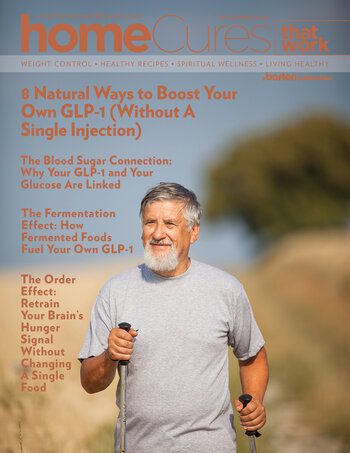
If you are a member of Home Cures That Work, click on the image above to download your monthly issue in PDF format.
What’s Trending Right Now