

Your Iron is Low: 7 Hidden Reason You Are Running on Empty
Your blood work came back “normal.” So why are you exhausted, craving ice, and losing hair in the shower? The answer may be a number that rarely gets more than a glance.
In 1681, the English physician Thomas Sydenham, sometimes called “the English Hippocrates,” was puzzling over a condition that had filled the medical books for more than a century. Young women were turning pale, almost greenish. They were weak, breathless on the stairs, and plagued by strange cravings for chalk, clay, and ash. Doctors called it chlorosis, “the green sickness,” and blamed everything from lovesickness to tight corsets.
Sydenham’s cure was oddly specific: iron filings, steeped in wine. It worked. He had no idea why. It would be another 150 years before the French physician Pierre Blaud turned the remedy into a pill, and nearly a century after that before anyone understood that chlorosis was simply severe iron deficiency.
Chlorosis has all but disappeared from medical textbooks. Iron deficiency has not. The World Health Organization ranks it as the most common nutritional deficiency on earth, and it is far from a “developing world” problem. Here in the U.S., it hides in plain sight in women with heavy periods, in runners, in people on heartburn medication, in anyone who has had weight-loss surgery, and in millions of people whose blood work looks perfectly fine.
The “normal” blood test that isn’t
When most people get checked for low iron, the doctor orders a complete blood count and looks at hemoglobin, the iron-carrying protein in red blood cells. If hemoglobin is in range, you are told you are not anemic and sent home.
The problem is that hemoglobin is the last thing to fall. Your body protects your blood at all costs. Long before your red cells come up short, it quietly drains your iron reserves to keep them supplied. You can spend months or even years running on fumes, with fatigue, hair loss, and poor concentration, while your hemoglobin stays technically normal. This stage is called iron deficiency without anemia, and it is far more common than full-blown anemia.
The number that tells you how full your tank is is ferritin, your stored iron. And here is where it gets interesting. Many labs flag ferritin as low only below about 12 to 15 ng/mL. But in 2020, the American Gastroenterological Association reviewed the evidence and recommended a cutoff of 45 ng/mL for diagnosing iron deficiency in anemic patients, because a 15 cutoff misses so many people who are truly depleted. That means a ferritin of 25 can come back “normal” on your lab report while still pointing to an iron shortfall.
There is one more wrinkle. Ferritin rises with inflammation, infection, and chronic disease, so it can look adequate even when iron stores are low. That is why a complete picture includes a few more markers.
ASK FOR THE FULL IRON PANEL
Ferritin: your iron “savings account.” Ask for the actual number, not just “normal.”
Serum iron, TIBC, and transferrin saturation: how much iron is actually circulating and available. A saturation under about 20% suggests iron-restricted supply.
Complete blood count (CBC): hemoglobin, plus MCV (red cell size). Small, pale red cells are a classic late sign.
C-reactive protein (CRP): if inflammation is high, ferritin may be falsely reassuring.
Signs your tank is running low
Iron is not just about blood. It is needed to make energy inside every cell, to build the neurotransmitters dopamine and serotonin, to keep your thyroid working, and to grow hair and nails. (If you read last month’s issue on Hashimoto’s, here is one more connection: the enzyme your thyroid uses to make its hormones depends on iron, so low iron and sluggish thyroid function often travel together.) So the symptoms are broader than most people expect:
- Fatigue that sleep doesn’t fix, especially feeling winded climbing stairs
- Craving ice. Chewing ice, called pagophagia, is one of the most specific clues to iron deficiency. It is a modern cousin of the chalk and clay cravings Sydenham’s patients described.
- Restless legs at night, that creepy-crawly urge to move. Low brain iron is strongly linked to restless legs syndrome.
- Hair shedding, brittle nails, or nails that curve upward like a spoon
- Cold hands and feet, headaches, brain fog, and a racing heart with exertion
- Pale inner eyelids and a washed-out complexion
7 hidden reasons your iron is low
Low iron is a symptom, not a diagnosis. Something is either draining iron out or keeping it from getting in. Finding which one is the real fix.
-
Heavy periods
This is the most common cause in women before menopause, and it is chronically underreported because so many women assume their periods are “normal.” Soaking through a pad or tampon every hour or two, passing clots larger than a quarter, or bleeding longer than seven days are all signs of heavy menstrual bleeding worth discussing with your doctor.
-
Slow, silent bleeding in the gut
In men and in women past menopause, iron deficiency should always prompt the question: where is the blood going? Daily pain relievers like ibuprofen, naproxen, and aspirin can cause small stomach ulcers that ooze for months. So can hemorrhoids, polyps, and in some cases colon cancer. Black, tarry stools or any blood in the stool should be checked promptly. This is why the AGA recommends that men and postmenopausal women with iron deficiency anemia be evaluated with endoscopy and colonoscopy. It is not a step to skip.
-
Heartburn medication
Plant-based iron must be converted by stomach acid into a form your intestines can absorb. Acid-blocking drugs like omeprazole and other proton pump inhibitors reduce that conversion. Long-term use is associated with a higher risk of iron deficiency, and millions of Americans have been on these drugs for years.
-
Celiac disease and other gut problems
Iron is absorbed almost entirely in the first section of the small intestine, the duodenum, which happens to be the area celiac disease damages most. For some people, unexplained iron deficiency that won’t respond to supplements is the only sign of celiac disease. The AGA recommends celiac testing for adults with unexplained iron deficiency anemia. H. pylori, the stomach bacterium behind most ulcers, can also block absorption and should be tested for.
-
Weight-loss surgery
Gastric bypass reroutes food past the duodenum, the exact spot where iron is absorbed. Iron deficiency is one of the most common long-term complications of bariatric surgery, sometimes showing up years after the operation.
-
Exercise, especially running
Endurance athletes lose iron through sweat, through tiny amounts of blood in the gut, and through red cells that break apart from the pounding of feet on pavement (“foot-strike hemolysis”). But the bigger factor is a hormone called hepcidin, your body’s master iron gatekeeper. Hard exercise triggers a spike in hepcidin that peaks a few hours later and temporarily locks iron out of the bloodstream. Eat your iron-rich meal at the wrong time, and you absorb less of it. If you exercise in the morning, have your iron-rich breakfast (or supplement) before or shortly after your workout rather than hours later.
-
What you drink with your meals
This one surprises almost everyone. In a 1983 study published in the American Journal of Clinical Nutrition, researchers found that a cup of coffee taken with a meal cut iron absorption by about 39%. A cup of tea cut it by about 64%. The culprit is polyphenols, which bind iron in the gut. Calcium, whether from a glass of milk or a calcium supplement, also competes with iron. For someone who drinks tea with every meal, this alone can tip the balance.
Other contributors include pregnancy, frequent blood donation, vegetarian and vegan diets, and chronic kidney disease. Often, it is two or three of these working together.
Natural ways to rebuild your iron
Eat the iron your body absorbs best
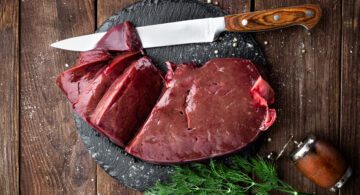
Not all iron is created equal. Heme iron, found in animal foods, is absorbed at roughly 15 to 35%. Non-heme iron from plants is absorbed at a much lower and more variable rate, often under 10%. The richest sources of heme iron are oysters, mussels, clams, beef liver, red meat, sardines, and dark-meat poultry. A 3-ounce serving of cooked oysters delivers about 8 mg, a full day’s worth for men and women past menopause.
Animal foods have a second advantage. Researchers have long described a “meat factor”: eating even a small amount of meat, fish, or poultry alongside beans or greens increases how much of the plant iron you absorb.
Pair plant iron with vitamin C
If you rely on lentils, beans, spinach, pumpkin seeds, or fortified cereals, vitamin C is your best ally. The Swedish researcher Leif Hallberg spent decades measuring iron absorption, and his work showed that vitamin C taken with a meal can multiply non-heme iron absorption several times over. Practically, that means bell peppers in your bean chili, a squeeze of lemon on your greens, or strawberries with your oatmeal.
Move the coffee and tea
You don’t have to give them up. Simply drink them at least an hour before or two hours after iron-rich meals. Do the same with calcium supplements and dairy.
Cook in cast iron
It sounds like folk wisdom, but it has been tested. In a 1986 study in the Journal of the American Dietetic Association, spaghetti sauce simmered in a cast-iron pot contained roughly nine times more iron than the same sauce cooked in glass. Acidic, moist, long-cooked foods like tomato sauce, chili, and stews pick up the most. And in a 1999 trial published in The Lancet, Ethiopian children whose families were given iron cooking pots had significantly higher hemoglobin after a year than children whose families cooked in aluminum.
Soak, sprout, and ferment
Whole grains, beans, and seeds contain phytates, natural compounds that bind iron. Soaking beans overnight, sprouting grains, and choosing sourdough bread over conventional loaves all break down phytates and free up more iron.
PUTTING IT TOGETHER: AN IRON-SMART DAY
Breakfast: oatmeal topped with pumpkin seeds and strawberries. Save the coffee for an hour later.
Lunch: spinach salad with chickpeas, sliced red bell pepper, and a lemon-olive oil dressing, topped with sardines or grilled chicken.
Snack: an orange and a handful of pumpkin seeds.
Dinner: beef or bean chili simmered in a cast-iron pot. Enjoy your tea between meals, not with them.
If you need a supplement: the every-other-day trick
When diet isn’t enough, an iron supplement may be necessary. But how you take it matters more than most labels let on.
For decades, the standard advice was to take iron two or three times a day. Then researchers at ETH Zurich, including Nicole Stoffel, Diego Moretti, and Michael Zimmermann, discovered why that approach can backfire. Every dose of iron triggers a hepcidin spike that lasts about 24 hours, blocking absorption of the next dose. In studies published in The Lancet Haematology (2017) and Haematologica (2020), giving iron as a single morning dose on alternate days increased the share of each dose that was absorbed. Fewer doses also means fewer chances for the nausea and constipation that make so many people quit iron altogether.
A few more tips that make supplements work better and feel easier:
- Take iron in the morning on an empty stomach, with water or a little orange juice, not with coffee, tea, or milk.
- If it upsets your stomach, take it with a small amount of food rather than stopping altogether.
- Gentler forms like iron bisglycinate are often better tolerated than ferrous sulfate.
- Recheck your levels after about 8 to 12 weeks. It can take several months to rebuild ferritin even after hemoglobin recovers.
IMPORTANT: TEST BEFORE YOU SUPPLEMENT
More iron is not always better. Unlike most nutrients, your body has no good way to get rid of extra iron, so it accumulates in the liver, heart, and joints.
An inherited condition called hereditary hemochromatosis, which causes the body to over-absorb iron, affects about 1 in 300 people of Northern European descent, and many don’t know they have it.
Get a ferritin and iron panel first, and work with your doctor. And keep iron supplements locked away from children; accidental iron overdose is a serious danger to kids under six.
The bottom line
Thomas Sydenham didn’t know what iron was doing for his pale, breathless patients. He only knew that when he gave it to them, the color came back into their faces. Three and a half centuries later, we know a great deal more, but the pattern is the same. Low iron rarely announces itself. It shows up as tiredness you have learned to live with, hair in the brush, an urge to chew ice.
If that sounds familiar, don’t settle for “your blood count is normal.” Ask for your ferritin number. Find out where the iron is going. And rebuild it the way your body was designed to absorb it, one well-paired meal at a time.
These statements have not been evaluated by the Food and Drug Administration. This article is for educational purposes only and is not intended to diagnose, treat, cure, or prevent any disease. Talk with your healthcare provider before starting any supplement, especially iron.


Featured Sponsor


Latest Home Cures That Work Issue
If you are a member of Home Cures That Work, click on the image above to download your monthly issue in PDF format.