

Beyond Ferritin: A Field Guide to the Micronutrients Your Thyroid Can’t Work Without
TPO is only as good as the raw materials it’s built from — a nutrient-by-nutrient look at what to test, what to take, and what to avoid overdoing
If faulty TPO enzyme is the mess behind Hashimoto’s antibodies, then the nutrients that go into building TPO are where the mess actually starts or stops. Get them right, and the thyroid can assemble an enzyme that works. Get them wrong, too little or, in a few cases, too much and the assembly line keeps producing junk for your immune system to clean up.
This is meant to be a reference you come back to, not a one-time read. Test, adjust, retest, that’s the rhythm that actually moves antibody numbers over time.
Iron: The Spark Plug
Iron sits at the center of TPO’s heme group. Without enough of it, the enzyme can be built structurally complete and still fail to function like a leaf blower with no spark plug, sitting on the shelf looking brand new.
The mistake almost everyone makes is checking only hemoglobin. Hemoglobin can look fine while ferritin, your stored iron, is already low. Many practitioners consider ferritin below 50 ng/mL functionally insufficient for thyroid health, even though most lab reference ranges call anything above roughly 15–20 ng/mL “normal.”
- Test: ferritin, serum iron, TIBC, and transferrin saturation together — ferritin alone can be falsely elevated by inflammation.
- Absorb better: take iron with 500 mg of vitamin C, away from coffee, tea, calcium, or dairy, which all block absorption.
- Don’t self-dose blindly: iron overload causes its own oxidative damage. Iron supplementation should be dosed to a target ferritin, not taken indefinitely.
Selenium: The Bodyguard
Building thyroid hormone generates hydrogen peroxide as a byproduct, a reactive molecule that, left unchecked, damages the very TPO enzyme doing the work. Selenium-dependent enzymes are what neutralize that peroxide. Low selenium means more oxidative damage to TPO, more discarded enzyme, and more antibodies.
Selenium is also required to convert T4 into the active hormone T3, which is why low selenium can leave people feeling hypothyroid even on adequate medication.
- Typical range: 100–200 mcg daily as selenomethionine, food sources include Brazil nuts (but wildly variable by soil, so don’t rely on them for precise dosing).
- Watch the ceiling: selenium toxicity is real above roughly 400 mcg/day sustained — more is not more protective past a point.
Zinc: The Quiet Cofactor
Zinc supports both T4-to-T3 conversion and antioxidant defense, and it plays a role in regulating immune activity generally. Deficiency is common in restrictive diets and in anyone with chronic gut inflammation, which is itself common in autoimmune thyroid disease.
- Typical range: 15–30 mg daily as picolinate or citrate.
- Balance with copper: zinc competes with copper for absorption; sustained high-dose zinc without copper can create a secondary deficiency. A 15:1 to 20:1 zinc-to-copper ratio is a reasonable target for supplementation.
Vitamin D: The Immune Modulator
Low vitamin D shows up consistently in autoimmune conditions, Hashimoto’s included, and appears to affect the regulatory T-cells that keep the immune response from overshooting.
- Test: 25-hydroxyvitamin D, aiming for roughly 50–70 ng/mL rather than just clearing the “insufficient” cutoff.
- Pair with K2: vitamin D increases calcium absorption; K2 (about 100–200 mcg) helps direct that calcium to bone rather than soft tissue.
- Retest before increasing further: fat-soluble, so it accumulates — dosing should be guided by follow-up labs, not guesswork.
Iodine: The Goldilocks Mineral
Iodine is the raw material TPO uses to build hormone, which makes it easy to assume more must be better. In someone with active Hashimoto’s, the opposite is often true: excess iodine drives up TPO activity and peroxide production, and in iodine-sufficient populations it’s a well-documented trigger for autoimmune thyroiditis.
- Test first: a urinary iodine level (spot or 24-hour) before adding any supplement, especially if you already have elevated antibodies.
- Get it from food, not megadoses: iodized salt, seafood, and modest seaweed intake generally cover baseline needs without the swings a supplement can cause.
- Skip high-dose protocols: gram-level iodine supplementation, sometimes recommended for “detox” or breast health, is one of the more common ways people accidentally worsen Hashimoto’s.
The interaction map
Iron competes with zinc and calcium for absorption, space them by a few hours. Zinc competes with copper, track both if supplementing zinc long-term. Vitamin D and K2 work as a pair, not separately. Selenium and iodine are both easy to overdo — more testing, less guessing, on these two especially.
Worth knowing
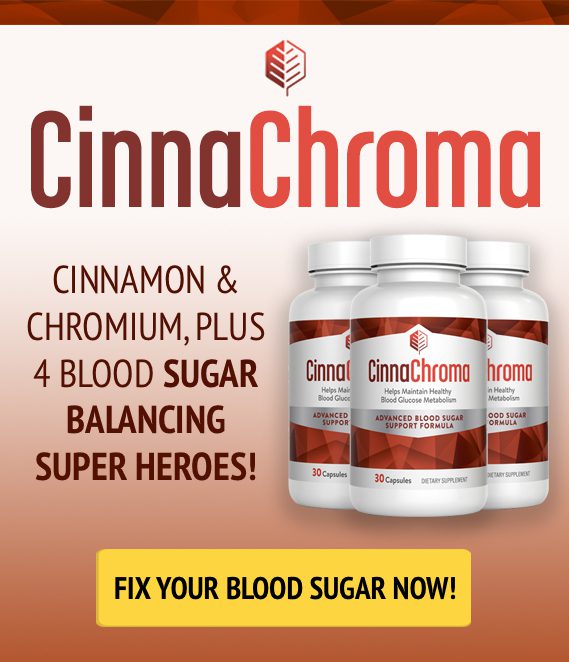
Barton’s CinnaChroma includes selenium, vitamin D3, and vitamin K2 alongside its cinnamon/chromium blood sugar blend — a convenient overlap if you’re already using it for the insulin support covered elsewhere in this issue. It’s not a substitute for correcting a specific deficiency your labs show; check your own vitamin D and selenium levels against the targets above before relying on it for those.
A Testing Rhythm You Can Actually Keep Up
Baseline everything above at diagnosis, adjust based on results, then retest every three to four months for the first year. Once levels are stable and antibodies are trending down, twice a year is usually enough. The goal isn’t a perfect number on any one nutrient — it’s giving the thyroid a steady, adequate supply of raw material so it stops producing enzyme that has to be discarded.
The Bottom Line
None of these nutrients work in isolation, and none of them are a substitute for addressing the bigger drivers — insulin resistance, chronic stress, food triggers. But they’re the most direct, most testable, and often the fastest-acting lever available: give the thyroid what it needs to build TPO correctly, and there’s simply less mess for the immune system to clean up.



Featured Sponsor





Latest Home Cures That Work Issue
If you are a member of Home Cures That Work, click on the image above to download your monthly issue in PDF format.