

Dr. Saunders Speaks on The Skin: Your Own Environmental Regulation
Medicinally stable yet chemically volatile, the skin is an amazing organ.
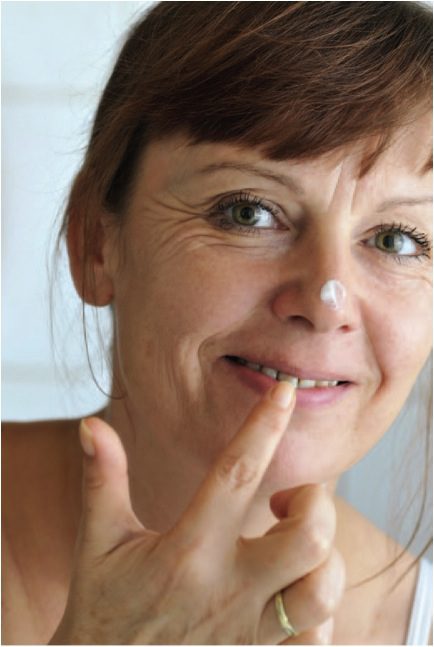
We may also assume our skin can keep harmful chemicals out of our bodies. Science had previously considered the skin to be a barrier that was somewhat impervious to chemicals. For a long time it was known that a few chemicals could traverse the skin into our bodies, usually because they were toxic, such as methanol. However, more recently, drug companies wanted to know if drugs could be given through the skin. As more research was done, just about anything rubbed into the skin could be found and detected in the blood stream. It turns out the skin is not such a great chemical barrier as previously thought.
The benefits of this knowledge are tremendous. We can now give hormones, pain medications, heart medications and many others through the skin by way of creams or patches. More are being added all the time. This allows those who cannot take pills to receive the benefits of the medications. In many cases, it improves the stability of the medication.
This technology can be used to benefit our health in other ways. Many vitamins, minerals and other nutrients can be obtained through the skin. When we use a good quality vitamin E cream, for example, we can adequately supplement our dietary needs. Since vitamin D isn’t found in foods to any great degree, many compounding pharmacists are making vitamin D3 creams as high as 50,000 IU per gram to mimic the body’s natural absorption. Soon, this will be a useful way to prevent aging of not only the skin — but the whole body!
The other side, however, may be more important to your health. If almost everything we put on our skin can get into our blood, it means we must be very careful which creams, gels, and cosmetics we use. It is important that we know the chemicals in our environment that come in contact with our skin. For example, many colored cosmetics, such as lipstick, contain lead. Most don’t think about the water in the shower, bath, or swimming pool that contains chlorine or bromine. Most antiperspirants contain aluminum (yes, even the “crystal”). What’s more, most skin care creams contain chemicals that should not be in the body. If used regularly, these can build up to toxic levels.
This is not to say that everything that touches you is toxic, or will kill you, but rather that you should be aware of what you put on. Read the labels on your lotions and cosmetics. Look at what type of sunscreen you use: some are non-toxic. Don’t put anything on your skin that you wouldn’t eat. That doesn’t mean it has to taste good, just that it is non-toxic.
Here is what works: Instead of buying expensive lotions that have a lot of drying mineral oils and alcohols, or “anti-microbial” alcohols, get some plain COCONUT OIL from your local health food store. It makes a great skin lotion and is not greasy. Plus, you get MCT’s (Medium-Chain Triglycerides) that have anti-microbial properties, and are essential fats for your body.
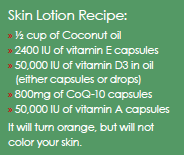
Being informed and aware will help you slow the aging process, decrease toxicity, and live a longer and healthier life.




Featured Sponsor




Latest Home Cures That Work Issue

If you are a member of Home Cures That Work, click on the image above to download your monthly issue in PDF format.