
The Leaky Gut–Thyroid Link: What’s Happening in Your Gut Could Be Driving Your Thyroid Problem
Your thyroid and your gut may seem unrelated. The science says otherwise and for millions of people with unexplained thyroid symptoms, the gut is exactly where the answers are hiding.
Most thyroid conversations start and end with hormones. Your TSH is off, your T4 is low, here’s a prescription. But a growing body of research and the clinical experience of integrative and functional medicine practitioners points to a much more upstream driver of thyroid dysfunction: the health of your gut.
This isn’t a fringe idea. The gut houses the majority of your immune system, regulates key steps in thyroid hormone metabolism, and when compromised can trigger the very autoimmune cascade that destroys thyroid tissue in conditions like Hashimoto’s thyroiditis. If you’ve been managing a thyroid condition for years without feeling truly well, your gut may be the missing piece of the conversation.
What Is Leaky Gut and Why Does It Matter?
The small intestine is lined with a single layer of epithelial cells, held together by structures called tight junctions. These junctions act as a selective barrier: letting nutrients through while keeping bacteria, undigested food particles, and toxins out of the bloodstream.
When that barrier becomes permeable a state commonly called “leaky gut”, or intestinal hyperpermeability those tight junctions loosen. Partially digested proteins, microbial fragments, and inflammatory compounds slip into circulation. The immune system, encountering these foreign substances, mounts a response.
In susceptible individuals, that immune response doesn’t always stay targeted. Molecular mimicry where immune antibodies produced against food proteins cross-react with the body’s own tissues is one of the most well-documented mechanisms by which leaky gut drives autoimmune disease.
For the thyroid, the implications are significant.
Common Causes of Intestinal Permeability
- Gluten and highly processed foods
- Chronic NSAID use (ibuprofen, aspirin)
- Antibiotics and acid-suppressing medications (PPIs)
- Glyphosate (herbicide residue common in conventionally grown foods)
- Chronic psychological stress
- Alcohol
- Gut infections and dysbiosis (imbalanced microbiome)
How Leaky Gut Triggers Thyroid Autoimmunity
The best-documented pathway from leaky gut to thyroid disease runs through Hashimoto’s thyroiditis, the leading cause of hypothyroidism in developed countries.
Here’s how the chain unfolds:
| Step | What Happens |
|---|---|
| Gut barrier breaks down | Tight junctions loosen; partially digested proteins and bacterial fragments enter the bloodstream |
| Immune alarm fires | The immune system flags these foreign particles and produces antibodies |
| Molecular mimicry occurs | Antibodies produced against gliadin (wheat protein) structurally resemble thyroid tissue proteins, so the immune system attacks both |
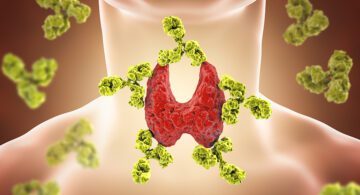
| TPO & TG antibodies rise | The hallmark antibodies of Hashimoto’s appear, signaling immune assault on the thyroid gland |
| Thyroid tissue is damaged | Over time, immune-mediated inflammation destroys hormone-producing cells, leading to hypothyroidism |
This is why gluten elimination is one of the most consistently effective dietary interventions for Hashimoto’s patients. It doesn’t just reduce digestive symptoms it removes a key molecular trigger for autoimmune attack.
The Gut’s Role in Thyroid Hormone Metabolism
The gut-thyroid connection isn’t only about autoimmunity. The gut microbiome plays a direct and measurable role in how your body processes and uses thyroid hormones.
T3 Recycling and Gut Bacteria
Much of the T3 circulating in your bloodstream doesn’t come directly from the thyroid it comes from the conversion of T4 in peripheral tissues, including the liver and gut wall. Additionally, conjugated T3 excreted in bile is deconjugated by gut bacteria and reabsorbed a process called enterohepatic recirculation. Healthy gut flora are essential to this recycling loop. When the microbiome is disrupted, this recirculation is impaired and circulating T3 can drop, contributing to symptoms of hypothyroidism even when thyroid hormone production appears normal.
SIBO and Thyroid Function
Small intestinal bacterial overgrowth (SIBO) a condition in which bacteria colonize the small intestine where they don’t belong has a notably high prevalence in people with hypothyroidism.
The relationship likely runs both ways:
- Low thyroid hormone slows gut motility, creating conditions for bacterial overgrowth
- SIBO-driven inflammation and malabsorption worsen thyroid hormone status and nutrient deficiencies
Nutrient Absorption
A compromised gut is a nutrient-poor gut. The minerals most critical to thyroid hormone production iodine, selenium, zinc, and iron are all absorbed in the small intestine. Leaky gut and dysbiosis reduce absorption efficiency, meaning even a good diet and supplement regimen can underperform if the gut isn’t healthy enough to absorb what you’re taking in.
Signs Your Gut May Be Behind Your Thyroid Symptoms
The overlap between gut dysfunction and thyroid dysfunction is significant enough that the two are easily confused or, more commonly, both are present and only one is being treated.
Watch for this combination of signals:
- Thyroid symptoms that persist despite normal or treated labs
- Bloating, gas, constipation, or loose stools
- Diagnosed or suspected IBS, SIBO, or IBD
- Hashimoto’s or elevated TPO antibodies
- Known gluten sensitivity or celiac disease
- History of frequent antibiotic use
- Skin issues: eczema, psoriasis, rashes, acne
- Food sensitivities that seem to be multiplying
- Fatigue and brain fog that track with what you eat
- Autoimmune conditions elsewhere (rheumatoid arthritis, lupus, type 1 diabetes)
If several of these apply, the gut deserves serious investigation alongside or even before further thyroid intervention.
Healing the Gut to Support the Thyroid
The clinical framework for gut repair in the context of thyroid and autoimmune disease follows a logical sequence:
Remove → Replenish → Repair → Reinoculate
Remove
Eliminate key gut irritants:
- Gluten (especially for Hashimoto’s patients)
- Highly processed foods
- Refined sugar
- Alcohol
- NSAIDs (where clinically appropriate)
- Unnecessary antibiotic use
If SIBO or parasitic infection is suspected, targeted antimicrobial treatment comes first.
Replenish
Restore digestive capacity with enzymes (proteases, lipases, amylases) and, where needed, support for stomach acid production.
Key nutrients to assess and correct include:
- Selenium
- Zinc
- Vitamin D
- Iron
Repair
Support the structural integrity of the gut lining with:
- L-glutamine
- Zinc carnosine
- Collagen peptides
- Quercetin
Reducing systemic inflammation through diet and stress management accelerates this process.
Reinoculate
Rebuild a diverse, healthy microbiome with probiotic strains that support gut barrier function and immune modulation.
Prebiotic fiber from vegetables, legumes, and whole foods feeds beneficial bacteria and supports microbiome diversity over time.
Where Gut Repair Meets Thyroid Recovery
Barton Nutrition’s Healthy Gut Restore was formulated to support the four pillars of gut recovery:
- Digestive enzyme activity
- Gut lining integrity
- Microbiome balance
- Reduced gut inflammation
For anyone dealing with thyroid issues especially Hashimoto’s or persistent hypothyroid symptoms addressing the gut isn’t a side conversation. It’s often the most direct path to feeling better.
→ Learn more about Healthy Gut Restore at bartonsupplements.com
What the Research Says
The science connecting gut health and thyroid function is not speculative. Several well-characterized findings support this relationship:
- Hashimoto’s patients have measurably higher rates of intestinal permeability than healthy controls
- Celiac disease is found at significantly higher rates in people with autoimmune thyroid disease
- Gluten-free diets have been shown in multiple studies to reduce TPO antibody levels in Hashimoto’s patients
- Hypothyroidism is associated with significantly increased risk of SIBO, with some studies showing prevalence as high as 54%
- The gut microbiome directly modulates deiodinase enzymes responsible for T4-to-T3 conversion
The Bottom Line
The thyroid doesn’t operate in isolation. It depends on a healthy gut to:
- Absorb the nutrients it needs
- Process and recycle hormones efficiently
- Keep the immune system from turning against it
For anyone treating a thyroid condition without fully addressing gut health, the leaky gut–thyroid link offers more than an explanation it offers an opportunity.
A healthier gut can mean:
- Better nutrient absorption
- Lower immune reactivity
- Improved hormone metabolism
- A better environment for thyroid recovery
For many people, that’s the difference between managing symptoms and actually recovering.
These statements have not been evaluated by the Food and Drug Administration. This product is not intended to diagnose, treat, cure, or prevent any disease. This article is for informational purposes only and does not constitute medical advice. Always consult a qualified healthcare provider before making changes to your health regimen.



Featured Sponsor






Latest Home Cures That Work Issue
If you are a member of Home Cures That Work, click on the image above to download your monthly issue in PDF format.