


6 Surprising Ways High Blood Sugar Affects Women Differently Than Men
Diabetes doesn’t impact men and women in the same way. For women, hormonal fluctuations, reproductive health concerns, and unique risks make managing blood sugar more complex. These differences can raise the risk of cardiovascular disease, contribute to greater emotional challenges, and affect overall quality of life. Understanding these distinctions is key to helping women navigate health challenges more effectively and take steps to protect themselves long term.
1. Menstrual Cycles and Blood Sugar Fluctuations
Unlike men, women experience monthly shifts in estrogen, progesterone, luteinizing hormone, and follicle-stimulating hormone. These changes can alter insulin sensitivity throughout the cycle. Some women notice rising blood sugar after ovulation due to increased progesterone, while others find they’re more insulin sensitive at the start of their period.
This fluctuation can make it tricky to predict and manage blood sugar from one cycle to the next. For women trying to keep their levels stable, tracking symptoms and blood sugar patterns across multiple months can provide helpful insights. Some find that adjusting nutrition, activity, or medication during certain phases of their cycle allows for steadier control. While men experience fairly consistent hormone levels, women must account for this added layer of complexity every month.
2. Pregnancy and Diabetes Risks
High blood sugar can complicate pregnancy, but with proper preparation, many women have healthy outcomes. Blood sugar control is critical before and during pregnancy, since elevated glucose early on increases the risk of miscarriage or birth defects.
During pregnancy, a woman’s body naturally becomes more insulin resistant to provide glucose for the developing baby. For women already managing diabetes, this means extra monitoring and care. Frequent blood sugar checks, careful meal planning, and working closely with a healthcare team are essential steps. In some cases, women may require adjustments in medication or insulin to maintain safe blood sugar levels.
Gestational diabetes, a temporary condition that develops during pregnancy, also highlights the unique risks women face. Even though it often resolves after delivery, it increases the chances of developing type 2 diabetes later in life. This makes ongoing follow-up and preventive care crucial for long-term health.
3. PCOS and Insulin Resistance
Polycystic ovarian syndrome (PCOS) is common in women with high blood sugar because both conditions are linked to insulin resistance. Together, they can worsen symptoms like irregular cycles, acne, and weight gain.
When insulin resistance is present, the body has a harder time moving glucose into cells for energy, leading to higher blood sugar levels. Over time, this can worsen both PCOS symptoms and diabetes risk. Lifestyle changes such as balanced nutrition, regular exercise, and stress reduction play a vital role in improving insulin sensitivity.
Medical treatment may also be necessary. For many women, a combination of approaches works best—helping regulate menstrual cycles, improve fertility outcomes, and support better blood sugar control. Addressing PCOS and high blood sugar together, rather than separately, often produces the best results.
4. Menopause and Metabolism
During perimenopause and menopause, estrogen levels decline, which can increase insulin resistance and make blood sugar harder to control. Many women also gain weight around the midsection, raising cardiovascular risk. These changes in body composition can be frustrating and may require women to adjust eating habits and physical activity to maintain balance.
On top of physical changes, this stage of life may also increase rates of depression and sleep disturbances. Women with high blood sugar are more likely to enter menopause earlier, which means facing these challenges sooner than their peers.
Healthy habits make a significant difference. Strength training, for example, helps preserve muscle mass and improve metabolism, while a high-fiber diet supports both digestive health and blood sugar stability. Managing stress through mindfulness, yoga, or other relaxation techniques can also buffer the emotional toll of this life stage.
5. Vaginal and Sexual Health
Chronic high blood sugar can encourage bacterial and fungal growth, leading to more frequent urinary tract and yeast infections. This happens because excess sugar in the urine and tissues provides a breeding ground for harmful organisms.
Over time, nerve and blood vessel damage from poorly managed blood sugar may also affect sexual health. Women may experience vaginal dryness, reduced sensation, or even sexual dysfunction, which can impact intimate relationships and emotional well-being.
The good news is that stabilizing blood sugar levels greatly reduces these risks. Open conversations with healthcare providers, along with proactive treatment, can protect sexual health and help women maintain quality of life.
6. Higher Emotional Burden
Women with high blood sugar report higher rates of depression and lower quality of life compared with men. The added challenges of hormone fluctuations, reproductive health concerns, and daily blood sugar management create additional emotional weight.
This emotional burden may also lead to something called “diabetes distress”—a state of frustration, exhaustion, or burnout from the constant effort required to manage the condition. Women are particularly vulnerable due to the additional physical and social pressures they face.
Support systems are essential. Access to education, counseling, support groups, and self-care practices can help women cope. Prioritizing mental health is just as important as managing blood sugar, since emotional well-being plays a major role in long-term success.
The Takeaway
High blood sugar affects women in ways that extend beyond glucose numbers, influencing reproductive health, sexual well-being, and emotional balance. By focusing on healthy lifestyle habits, seeking strong medical support, and staying proactive through life stages like pregnancy and menopause, women can manage these challenges and protect both their health and quality of life. With the right tools, women can navigate these unique differences and live full, thriving lives despite the added complexities diabetes may bring.




Featured Sponsor






Latest Home Cures That Work Issue
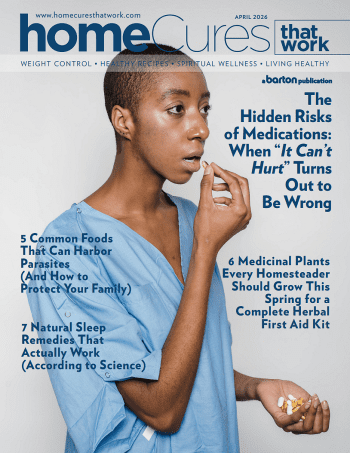
If you are a member of Home Cures That Work, click on the image above to download your monthly issue in PDF format.