
7 Simple Signals to Reset Your Nervous System (Without Doing More)
For years, I believed that getting healthy meant doing more. More supplements. More lab tests. More exercise. More tracking, spreadsheets, and strict routines. I thought if I could just push through the discomfort and find the perfect protocol, I’d finally feel great.
But what truly changed my health wasn’t another diet or treatment plan — it was a mindset shift. I stopped focusing on fixing and started focusing on safety. Instead of treating my body like a project to manage, I began asking: How can I tell my body it’s safe?
That simple reframe changed everything. It shifted the way I eat, rest, move, and think. And most importantly, it helped me move from a place of low-level chronic stress to a place where healing could actually happen. If you feel stuck despite doing “all the right things,” this shift might be what you’re missing.
Understanding Your Nervous System
Our nervous system has two main states:
- Sympathetic (fight, flight, freeze)
- Parasympathetic (rest, digest, repair)
Modern life keeps many of us stuck in sympathetic mode — even if we don’t feel stressed. Our bodies pick up on subtle cues that say “you’re not safe,” keeping us in a state of tension, fatigue, and resistance to healing.
I lived in that space for over a decade. Ironically, my intense efforts to be “healthy” were sometimes sending my body more stress signals. That’s when I learned the power of flipping the script — of sending safety signals instead.
Stress vs. Safety: What Your Body Listens To
Not all stress is dramatic. In fact, the most harmful stressors are often quiet, chronic, and easy to miss:
Common stress signals:
- Under-eating or nutrient deficiencies
- Over-exercising or constant intensity
- Poor sleep
- Negative self-talk
- Blue light at night
- Loneliness or disconnection
Safety signals, on the other hand, include:
- Nourishing meals
- Deep, consistent sleep
- Natural sunlight
- Human connection
- Kind self-talk
- Gentle movement
- Hydration with minerals
The more safety your body senses, the more it can relax — and that’s where true healing begins.
7 Everyday Safety Signals That Changed My Life
-
Nourishing Meals Over Restriction
For years, I unintentionally under-ate while trying to “clean up” my diet and lose weight. But low food intake told my body, “Resources are scarce.” I didn’t realize this was spiking cortisol and stalling healing.
Things shifted when I focused on nourishment over restriction. I prioritized protein, minerals, and whole foods — especially in my first meal of the day. I also stopped late-night snacking and replaced caffeine-first mornings with a protein-rich breakfast. That one change dramatically improved my energy and blood sugar stability.
-
Sleep with Intention
Sleep is foundational — yet I used to cut corners here, especially as a busy mom. Even losing one hour of sleep increases stress hormones, impacts blood sugar, and lowers cognitive function.
I started going to bed earlier, made my bedroom cooler and darker, and ditched late-night screens. I swapped late-night chores and scrolling for intentional wind-down routines. Even a 30-minute earlier bedtime made a big difference in my heart rate, mood, and energy.
-
Light That Supports Your Rhythm
Morning sunlight is one of the most overlooked tools for nervous system regulation. I now get 10 minutes of natural light within 30 minutes of waking — often barefoot for grounding. Afternoon sun boosts my mood and helps set my circadian rhythm.
In the evening, I switched to amber and red lighting, used blue-light-blocking glasses, and installed warm lamps on timers. My body now knows when it’s time to wind down — without me forcing it.
-
Hydration + Minerals
I used to chug plain water all day — and still felt fatigued. Then I realized hydration needs minerals to actually get into our cells.
Now I start my day with mineral-rich water, often outside in the sun. I hydrate between meals to avoid diluting digestion and make sure I’m replenishing sodium, potassium, and magnesium. The result? Better digestion, energy, and fewer stress responses.
-
Movement That Matches My Stress Load
I used to push myself with high-intensity workouts no matter what. But when my nervous system was overloaded, those workouts made things worse.
Now I see movement as a support rather than a stressor. During high-stress periods, I focus on walking, stretching, or swimming. When my body feels strong and safe, I add back strength training and sprints — but with joy, not punishment.
-
Emotional and Environmental Safety
Even a clean diet and good sleep can’t cancel out a stressful environment. I started removing hidden stressors — from synthetic fragrances to cluttered spaces. I simplified, softened lighting, and made my bedroom feel peaceful.
Equally important was my inner environment. I stopped labeling my body as “broken” or “attacking itself” and began saying, “My body is healing.” That compassionate shift in language told my nervous system it was safe.
-
Joy, Connection, and Presence
Human connection is one of the most powerful safety signals we have. Eye contact, hugs, shared laughter — all of these tell the body, “You’re safe here.”
I also began adding small acts of joy into my day: humming, warm baths, dancing with my kids, watching the sunset. These simple pleasures activate the vagus nerve, help shift us into parasympathetic mode, and make life feel lighter.
Final Thoughts: Don’t Force It — Support It
The biggest lesson I’ve learned? My body isn’t the enemy. It’s constantly working to protect me. When I stopped trying to fix or force it, and instead started listening and offering safety, things began to change — gently and sustainably.
If you’re feeling stuck, don’t start with another to-do list. Start with one simple shift:
- A protein-rich breakfast
- A walk in the morning sun
- A glass of mineral water
- An early bedtime
- A kinder thought
Healing doesn’t have to be harsh. Sometimes the most powerful thing you can do… is less.




Featured Sponsor






Latest Home Cures That Work Issue
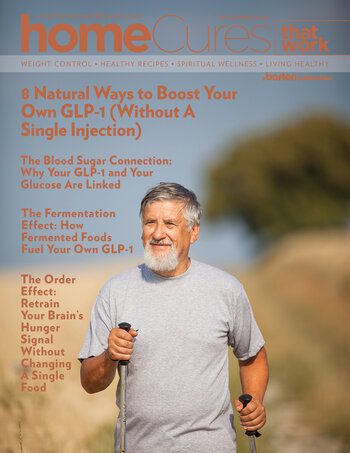
If you are a member of Home Cures That Work, click on the image above to download your monthly issue in PDF format.